
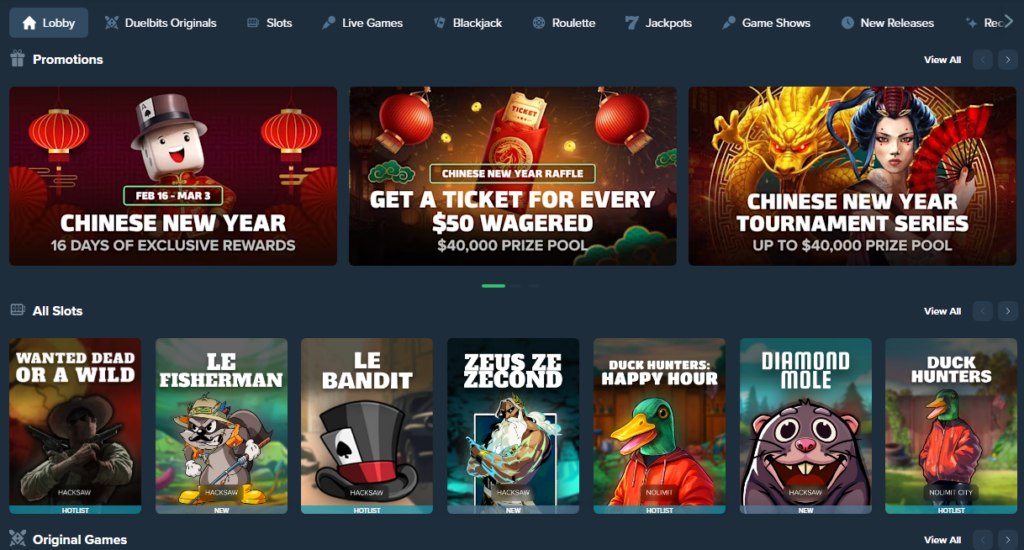
Duelbits, Bonus code – these two terms represent the modern face of digital gaming incentives. What began as simple promotional coupons in land-based venues has evolved into sophisticated, data-driven reward systems embedded into online platforms. Today, a Bonus code is not just a discount trigger; it is part of a structured engagement model. And platforms like Duelbits illustrate how far this mechanism has progressed, transforming casual promotions into strategic growth engines for both operators and players.
In the early days of online gaming, incentives were basic and static. Players entered a string of characters, received a small deposit match, and continued playing without much personalization. Modern systems are dramatically different. Rewards now connect to loyalty architecture, wagering logic, gamification loops, and user segmentation.
If you want to understand how structured reward mechanics function today, it’s worth exploring how platforms integrate activation systems directly into their ecosystem. Many players choose to activate their account incentives through a referral-based system that unlocks enhanced reward tiers. By registering and activating a Duelbits bonus code, users gain access to a layered reward framework that goes beyond a single deposit match and connects directly to long-term value mechanics.
The transformation of bonus systems reflects broader changes in gaming culture, technology, and player psychology. Let’s explore how this evolution unfolded.
The Origins of Bonus Codes in Traditional Gaming
Long before Duelbits and modern digital ecosystems, the concept behind a Bonus code existed in physical form. Traditional gaming establishments understood one simple principle: incentives influence behavior. While they didn’t use digital activation strings, they relied on structured promotional tools designed to increase repeat visits, extend playtime, and strengthen customer loyalty.
The earliest foundations of today’s Bonus code systems were built in land-based casinos, arcades, and entertainment halls. These early reward methods were manual, localized, and heavily dependent on in-person tracking. Yet the strategic intention behind them mirrors what modern platforms like Duelbits apply today – structured incentives to drive engagement.
Physical Coupons and Promotional Vouchers
In the mid-to-late 20th century, casinos distributed paper-based promotions. These were often delivered via mail, handed out at reception desks, or printed in newspapers. Although primitive compared to today’s digital mechanics, they introduced the idea of coded incentives.
Common examples included:
- Free drink or buffet vouchers
- Matched play coupons (e.g., “bet $50, receive $50 free play”)
- Event-based entry passes
- Discounted hotel stays tied to gaming activity
These offers were often printed with tracking numbers. While not digital, they functioned as early “codes” that staff validated manually.
The structure was simple. A player presented the voucher, the operator verified eligibility, and a reward was issued. There was no automation, no real-time calculation, and no behavioral analytics – just fixed-value incentives.
The Emergence of Loyalty Programs
As competition intensified, casinos needed more efficient tracking systems. This led to the development of loyalty cards. These cards recorded wagering volume and allowed establishments to reward consistent players with tiered benefits.
Key characteristics of early loyalty systems included:
- Points earned per dollar wagered
- Fixed redemption catalogs
- Tier levels based on activity volume
This marked an important turning point. Incentives were no longer purely promotional; they became integrated into a broader reward infrastructure.
Although these systems lacked digital precision, they introduced three essential pillars that modern Bonus code frameworks still rely on:
- Activity tracking
- Tier progression
- Reward scaling
In many ways, these loyalty cards were the conceptual ancestors of the Bonus code systems seen on platforms like Duelbits.
Manual Tracking and Operational Limits
Despite their innovation, traditional systems had limitations. All tracking was physical or semi-digital. Data analysis was slow and limited. Promotions were broad rather than personalized.
Operational constraints included:
- Delayed reward calculation
- Limited segmentation of players
- High administrative overhead
- Reduced transparency for users
Because incentives were not automated, casinos had to estimate liability manually. This often resulted in either overly conservative offers or unsustainable promotional campaigns.
Behavioral Foundations Established Early
Even without digital tools, traditional gaming venues understood psychological triggers. Promotions were often timed around weekends, holidays, or major sporting events to increase foot traffic.
Operators learned that:
- Free play encourages longer sessions
- Tier progression increases repeat visits
- Exclusive invitations boost perceived status
These insights later became central to online Bonus code strategy.
Transitioning Toward Digital Systems
By the late 1990s, casinos began integrating basic database systems. This allowed for improved segmentation and direct marketing campaigns via email instead of physical mailers.
At this stage, the conceptual shift occurred. Incentives were no longer just physical coupons; they were becoming trackable, transferable, and scalable.
This transition laid the groundwork for the digital Bonus code era. When online platforms eventually emerged, they inherited the behavioral principles established in traditional venues but enhanced them with automation and data-driven precision.
Why This Era Still Matters
Understanding the origins of Bonus code systems is essential because it reveals the continuity of strategy. Modern platforms such as Duelbits did not invent incentive-based engagement – they refined and digitized it.
The core objectives remain unchanged:
- Encourage participation
- Increase session duration
- Reward loyalty
- Strengthen retention
The difference lies in execution. What once required manual validation and physical presence now happens instantly through digital activation.
The traditional gaming era was not technologically advanced, but it provided the strategic blueprint. Without paper vouchers, loyalty cards, and early reward segmentation, the sophisticated Bonus code ecosystems we see today would not exist.
The journey from physical coupon to algorithm-driven incentive system reflects the broader transformation of gaming itself – from location-based entertainment to global digital platforms powered by real-time reward logic.
The Digital Shift: Online Gaming and the Birth of the Bonus Code
The rise of online gaming platforms in the early 2000s changed everything. Digital infrastructure allowed operators to track activity automatically, store user data, and implement instant activation systems.
First-Generation Online Bonus Systems
Early online platforms introduced:
- Static deposit match bonuses
- Single-use promotional codes
- Flat cashback percentages
These early Bonus code models were transactional. Players entered a code during registration or deposit and received a reward with predefined wagering conditions.
However, personalization was still minimal.
Technical Advancements That Changed Incentives
Several technological breakthroughs accelerated bonus evolution:
- Automated wallet systems
- Real-time wagering tracking
- Backend CRM integrations
- Algorithmic reward allocation
These systems allowed platforms to analyze player behavior and adjust promotions dynamically.
As a result, incentives shifted from generic marketing tools to structured engagement systems.
Duelbits and the Modern Reward Architecture
Today’s platforms, including Duelbits, demonstrate how far incentive systems have progressed. The modern Bonus code is integrated into a broader reward infrastructure that includes loyalty, rakeback, cashback, and gamified missions.
Integration Into Platform Ecosystems
On Duelbits, a Bonus code is not isolated. It connects with:
- VIP level progression
- Cashback percentages
- Rakeback calculations
- Leaderboard entries
- Seasonal reward events
This integration ensures that activation becomes the entry point to a long-term value cycle.
The Evolution of Incentive Logic
Modern platforms operate on layered reward models:
- Entry Incentive (Bonus code activation)
- Activity-Based Accumulation
- Loyalty Tier Advancement
- Periodic Event Bonuses
- Retention-Driven Cashback
This layered approach contrasts sharply with earlier flat deposit matches.
Psychological Drivers Behind Bonus Code Evolution
The transformation of incentives is not purely technical. It is deeply rooted in behavioral economics and decision psychology.
Reward Anticipation and Behavioral Loops
Modern systems leverage anticipation cycles. When players activate a Bonus code, they are not just claiming value; they are entering a progression system.
This progression encourages:
- Goal completion
- Tier unlocking
- Event participation
- Competitive leaderboard engagement
Anticipation increases perceived value, even before rewards are realized.
Variable Reward Mechanics
Gaming platforms often use variable reinforcement schedules. Instead of predictable returns, players encounter fluctuating outcomes tied to wagering activity.
This creates sustained engagement because:
- Rewards feel dynamic
- Progress appears personalized
- Milestones reinforce participation
Duelbits incorporates such mechanics within its broader engagement ecosystem.
From Simple Promotions to Data-Driven Systems
The transformation from basic deposit incentives to sophisticated, behavior-driven reward architecture marks one of the most significant shifts in gaming history. Early online promotions were static and universal. Every player received the same Bonus code, the same percentage match, and the same wagering requirements. There was no segmentation, no behavioral modeling, and no predictive logic.
Today, platforms like Duelbits operate within a completely different framework. Incentives are no longer generic marketing tools. They are dynamic components of a structured ecosystem built on real-time data, analytics, and automated decision-making.
This evolution did not happen overnight. It emerged as digital infrastructure matured and operators gained the ability to track, analyze, and respond to player behavior at scale.
The Limitations of Early Online Promotions
In the early 2000s, most online gaming platforms offered straightforward promotions:
- 100% deposit match bonuses
- Fixed wagering requirements
- Single-use Bonus code activation
- Standard cashback percentages
These offers were identical for all users. The system assumed that every player behaved the same way.
However, this model created inefficiencies. Some players would activate a Bonus code, complete wagering requirements quickly, and withdraw. Others would deposit without using promotions at all. There was no personalization or strategic allocation of incentives.
Operators lacked granular insights into user behavior. As a result, promotional spending was often misaligned with long-term retention goals.
The Rise of Player Data and Behavioral Analytics
The turning point came with advanced database systems and customer relationship management (CRM) tools. Platforms could now track:
- Deposit frequency
- Average wager size
- Game preference
- Session duration
- Volatility tolerance
Instead of treating every player equally, systems began categorizing users into behavioral segments.
For example:
- High-volume players
- Casual recreational users
- Bonus-focused participants
- High-risk churn profiles
This segmentation allowed platforms like Duelbits to move beyond static Bonus code distribution and toward strategic reward targeting.
Automated Reward Allocation
Modern platforms integrate automation engines that process activity in real time. This means incentives are no longer manually triggered or uniformly distributed.
Automation enables:
- Instant cashback calculation
- Real-time VIP level progression
- Dynamic reload bonus eligibility
- Tiered rakeback scaling
When a player activates a Bonus code today, the system often links it to a broader algorithmic structure. The initial incentive becomes part of a long-term engagement loop rather than a standalone reward.
On Duelbits, for example, incentives interact directly with loyalty progression and activity-based reward multipliers.
Predictive Modeling and Incentive Optimization
Data-driven systems go even further by using predictive models. Instead of reacting to past behavior alone, platforms analyze patterns to forecast future activity.
This allows operators to:
- Identify players at risk of inactivity
- Offer targeted reload incentives
- Adjust cashback percentages dynamically
- Optimize bonus liability in real time
Predictive systems ensure that Bonus code campaigns align with long-term value creation rather than short-term acquisition spikes.
This approach benefits both sides. Players receive incentives aligned with their behavior, while platforms maintain sustainable reward structures.
Personalization and User-Centric Design
The modern Bonus code is increasingly personalized. Instead of generic public offers, many platforms provide segmented promotions via dashboards or email campaigns.
Personalized incentives may include:
- Custom deposit multipliers
- Game-specific bonus boosts
- Time-limited reload rewards
- Exclusive leaderboard access
Personalization increases perceived value because players feel recognized rather than treated as anonymous users.
Duelbits integrates personalization by connecting activation systems to user progression metrics and reward scaling logic.
Real-Time Transparency and User Control
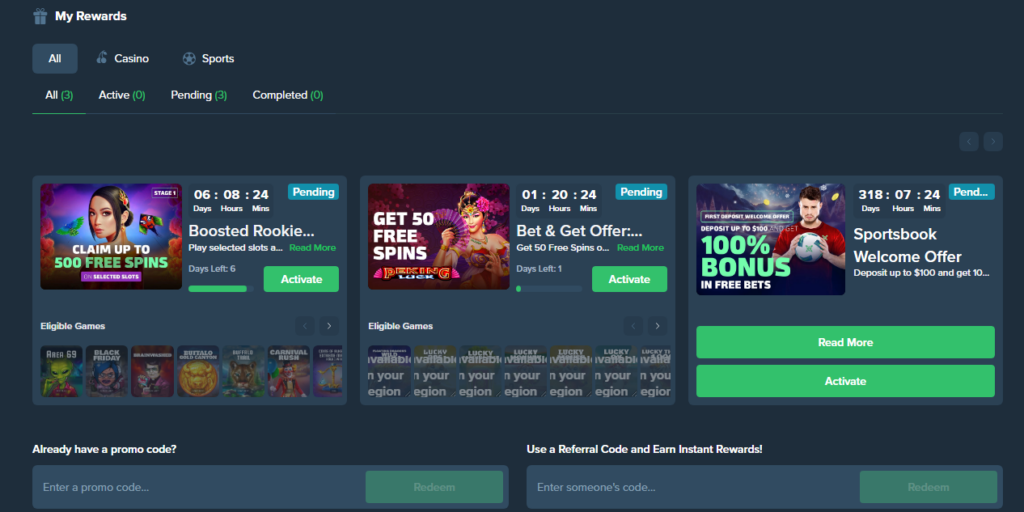
Another defining feature of data-driven systems is transparency. Players can track:
- Wagering progress
- Cashback accumulation
- VIP tier advancement
- Bonus expiration timers
Early online systems lacked visibility. Users often had to contact support to check bonus status.
Today, dashboards display activity metrics instantly. This clarity strengthens trust and reduces friction.
Modern platforms understand that transparent reward systems increase long-term engagement and reduce disputes.
Economic Efficiency for Platforms
From a business perspective, data-driven systems significantly improve operational efficiency.
Benefits include:
- Controlled promotional spending
- Reduced abuse of incentives
- Higher retention rates
- Improved lifetime value metrics
Rather than offering excessive blanket promotions, platforms can allocate incentives precisely where they generate measurable engagement.
The Bonus code has evolved into a calibrated instrument rather than a broad marketing expense.
The Strategic Role of Duelbits in This Evolution
Duelbits represents a modern example of integrated, data-informed reward architecture. Instead of relying solely on entry-level incentives, the platform embeds Bonus code activation into a broader progression system.
This structured approach ensures:
- Activation leads to ongoing engagement
- Rewards scale with activity
- Incentives reinforce loyalty rather than replace it
The shift from simple promotions to data-driven systems reflects a broader digital transformation. What began as uniform deposit matches has become a sophisticated, analytics-powered ecosystem.
The Bonus code is no longer just a promotional string. It is a gateway into an intelligent reward infrastructure designed to adapt, optimize, and sustain long-term player participation.
Gamification: The Next Stage of Incentive Development
Bonus systems have merged with gamification frameworks.
Mission-Based Engagement
Many platforms now introduce:
- Daily missions
- Weekly challenges
- Seasonal campaigns
- XP-based reward tracks
A Bonus code often unlocks access to these systems.
Gamification transforms passive participation into active progression.
Competitive Leaderboards
Leaderboards add social dynamics. Players compete for higher ranks and larger rewards.
Benefits include:
- Increased engagement
- Community building
- Transparent ranking structures
Duelbits integrates leaderboard mechanics as part of its reward ecosystem.
The Economic Impact of Modern Bonus Codes
The evolution of incentives affects both players and operators.
For Players
Advantages include:
- Structured value extraction
- Transparent reward scaling
- Long-term earning potential
- Multi-layer incentive stacking
However, understanding wagering requirements remains critical.
For Platforms
Modern systems allow:
- Better retention metrics
- Optimized acquisition costs
- Controlled bonus liability
- Enhanced user lifecycle value
The Bonus code has become a strategic growth tool rather than a simple marketing tactic.
Key Milestones in Bonus Code Evolution
To summarize the journey, here are the major stages:
- Physical coupon era
- Loyalty card introduction
- Early online static bonuses
- Automated wallet systems
- Data-driven personalization
- Gamified progression models
- Integrated ecosystem incentives
Each stage reflects technological advancement and behavioral insight.
Responsible Use and Future Outlook
As incentives become more advanced, responsible participation becomes increasingly important.
Ideal Practices for Players
- Understand wagering requirements
- Track activity and reward terms
- Set deposit limits
- Participate within budget
Structured reward systems offer value, but awareness is essential.
What the Future May Hold
Emerging trends suggest:
- AI-driven personalization
- Blockchain-based transparency
- Tokenized reward systems
- Cross-platform incentive integration
Duelbits and similar platforms are positioned to adapt to these developments.
Conclusion: From Coupons to Complex Ecosystems
The journey of the Bonus code reflects the broader transformation of gaming itself. What started as paper coupons evolved into algorithm-driven reward architectures embedded into sophisticated online platforms.
Duelbits exemplifies this progression. By integrating activation systems into loyalty mechanics, gamification layers, and data-driven personalization, modern platforms ensure that incentives function as long-term engagement tools.
Understanding this evolution empowers players. Instead of viewing a Bonus code as a one-time promotion, users can recognize it as an entry point into a structured reward environment.
As gaming continues to innovate, incentive systems will likely become even more adaptive and transparent. The evolution is ongoing – and players who understand the mechanics behind it are best positioned to extract sustainable value from every stage of the journey.